![[Translate to en:]](/fileadmin/_processed_/6/7/csm_Header_SupraWeave_0a8fff008d.jpg)
SupraWeave
Circular weaving based on a superconducting weft insertion system
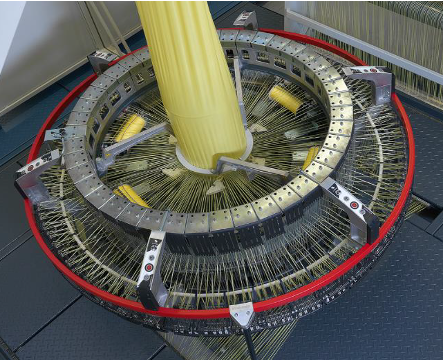
The SupraWeave project is a collaboration with the Institute for Textile Machinery and High Performance Textile Materials at TU Dresden and is dedicated to fundamentally transforming circular weaving technology through the use of a superconducting weft insertion system.
The aim is to use circular looms to process sensitive high-performance fibers such as glass and carbon fibers, which until now could only be processed on flat looms.
The aim is to use sensitive high-performance fibers such as glass and carbon fibers, which until now
could only be processed on flat weaving machines, in circular weaving machines.
These fibers are indispensable in industries such as aviation, automotive engineering, and
energy technology, but their sensitivity and the high
mechanical stresses of conventional circular weaving processes have so far presented an
insurmountable hurdle.
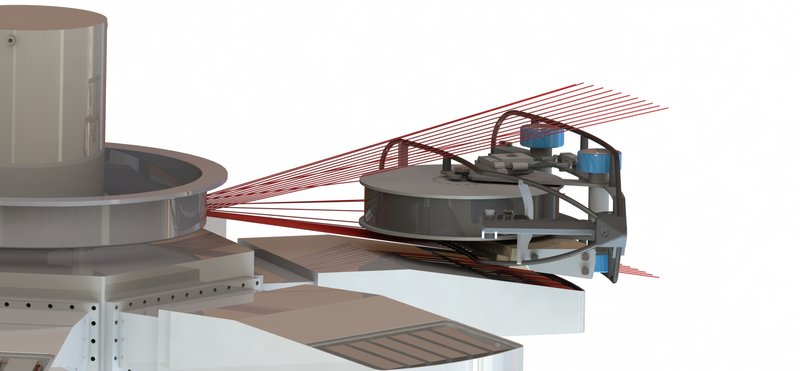
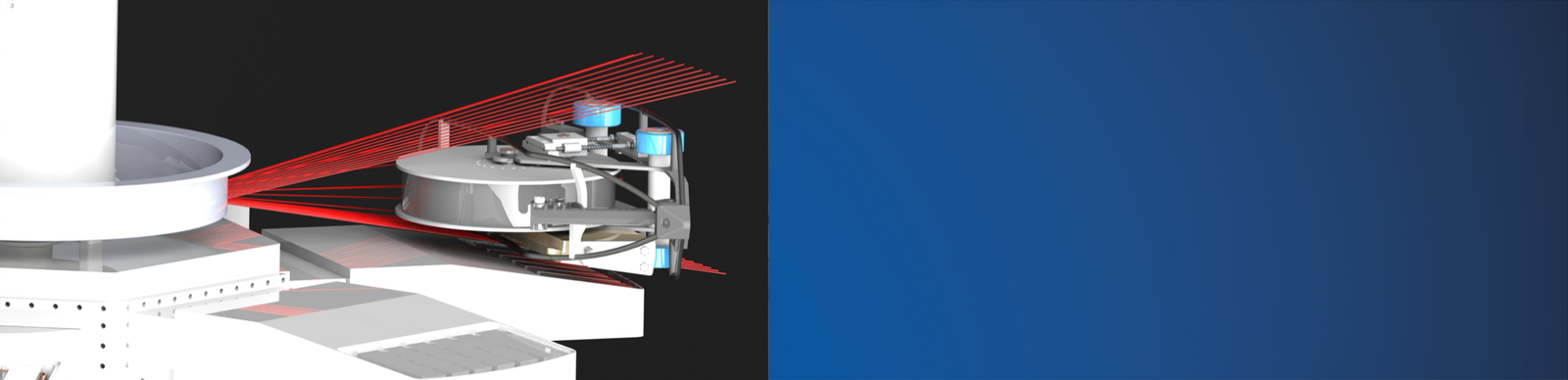
The innovation of the project is based on the use of superconducting magnetic bearings. These
enable friction-free, precise guidance of a floating shuttle, which
revolutionizes weft insertion in a completely new way. This
technological innovation is complemented by low-damage guidance of the warp and
weft threads, enabling unprecedented material protection. These
approaches make it possible to produce fabrics with optimal structure and quality that
meet the high requirements of technical applications.
A key aspect of the project is the development and integration of all
components into a demonstrator system that maps the entire process. From
the modeling of magnetic bearings and thread guidance to the adjustment of the
fabric pull-off and the manufacture and characterization of the end products, a
holistic development approach is being pursued. Particular emphasis is placed on the
validating the developed models and algorithms in order to ensure a high
level of reliability and efficiency of the new technology.
SupraWeave not only closes a technological gap, but
also lays the foundation for opening up new markets. The production of
composite materials and technical textiles for future-oriented applications
could be changed sustainably by this innovation. The results of the
project will enable Saxony's textile and mechanical engineering industry to
continue to assert itself as a technology leader in global competition, tap into new
market segments, and make industrial production more sustainable and
efficient.